
What is the 3D printing dental?

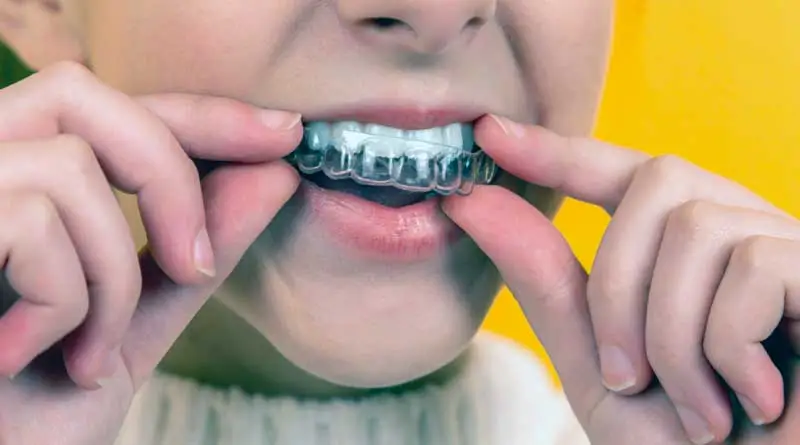
Dental 3D printing is a technique in dentistry that uses specialized 3D printers to fabricate precise, customized dentures and dental parts.
Dental 3D printing has transformed the field of dentistry by enabling the creation of high-quality dentures and dental parts quickly and efficiently.
This innovative technology uses 3D printers designed specifically for dental manufacturing and state-of-the-art biocompatible materials to create customized solutions for patients.
As we explore further, we will discover how 3D printing in dentistry is revolutionizing the industry and providing exceptional results for patients and dental professionals.
What is 3D printing in Dentistry?
3D printing in dentistry is an advanced approach that uses 3D printing technology to create customized prostheses, dental pieces and other devices with millimeter precision, improving patient care and optimizing dental processes.
3D printing dentistry is changing the way dentists approach the design and fabrication of dentures and dental work.
Through the use of 3D printers specially designed for dentistry, practitioners are able to create detailed and customized models of tooth structures from the patients.
These models can be used to fabricate dental prostheses, such as crowns and bridges, that fit perfectly in the patient's mouth. In addition, 3D printing technology enables dentists to create precise surgical guides for complex procedures, such as the placement of dental implants.
This innovation not only improves the accuracy of procedures, but also reduces treatment time and increases patient satisfaction.
What 3D printers are used in dentistry?
Dental 3D printers are widely used in dentistry to create dental prostheses, customized parts and surgical guides with high precision.
There are several types of 3D printers used in dentistry, including technologies such as DLP, MDLP, LCD and SLA.
In the field of dentistry, various types of 3D printers are used to address specific design and production needs.
DLP (Digital Light Processing) and MDLP (Masked Digital Light Processing) printing technologies are especially popular because of their ability to produce detailed dental models with high accuracy.
Makes and models like Formlabs Form 3B and Get MAX UV are examples of high-end dental 3D printers that use DLP technology to create dentures and other devices.
For a more affordable option, printers such as Anycubic Photon Mono X and elegoo mars offer quality dental 3D impressions at a lower cost.
These printers also use DLP technology to achieve accurate results.
What can be done with a dental 3D printer?
The versatility of dental 3D printers goes beyond the creation of dental prostheses.
These printers can be used to manufacture a variety of dental devices and accessories, such as customized orthodontic retainers, surgical guides for implants and study models for treatment planning.
Youtube channel: Blenderfordental - English
3D printing in dentistry allows practitioners to quickly produce precise, customized devices that are perfectly adapted to the needs of each patient.
In addition, 3D printing technology also facilitates the creation of diagnostic and educational models, which improves communication between dentist and patient.
Are dentists 3D printing teeth?
While dental 3D printers are a valuable tool in dentistry, it's important to note that dentists don't print natural teeth in 3D.
3D printing in dentistry focuses on the fabrication of dental prostheses, customized parts and devices that are used in the dental field..
These devices include crowns, bridges, retainers, surgical guides and other dental accessories.
3D printing does not replace the training and experience of dental professionals, but rather complements their skills by providing accurate and customized solutions for patients.
What materials are used for dental 3D printing?
For dental 3D printing, biocompatible materials and high-quality resins designed specifically for dental applications are used, such as dental 3D resin and biocompatible 3D resins.
Youtube channel: Blenderfordental - English
In dental 3D printing, the choice of materials is essential to ensure the safety and effectiveness of the devices created.
What is the best 3D printer for Dentistry?
Choosing the best 3D printer for dentistry depends on several factors, including budget, specific needs and dentist preferences.
Some of the popular options include the Formlabs Form 3Bwhich offers a high quality DLP impression for dental prosthetics and study models.
For a more economical option, the Anycubic Photon Mono X it is a DLP printer that offers a good balance between cost and quality.
In addition, the elegoo mars 4 is another affordable option that provides accurate results in dental 3D printing.
On platforms like Amazon, it is possible to find a variety of dental 3D printers that fit different budgets and needs.
Conclusions:
Dental 3D printing has revolutionized the way dental procedures and device fabrication are approached in dentistry.
From the creation of customized prostheses to the fabrication of diagnostic models, 3D printing technology delivers exceptional results and efficiency in patient care.
With a variety of 3D printer options available on the market, dental professionals have the flexibility to choose the best solution for their specific needs.
Frequent questions
- What is dental 3D printing? Dental 3D printing is a technique that uses specialized 3D printers to manufacture prostheses and customized dental pieces with high precision.
- What 3D printing technologies are used in dentistry? In dentistry, technologies such as DLP and MDLP are used to create detailed and accurate dental models.
- What can be done with a dental 3D printer? Dental 3D printers can be used to fabricate dentures, custom orthodontic retainers, surgical guides and study models.
- Are dentists 3D printing teeth? No, dentists do not 3D print natural teeth. 3D printing in dentistry focuses on the fabrication of dental devices and prostheses.
- What are the best materials for dental 3D printing? Biocompatible materials, such as dental 3D resin and dental Anycubic resin, are ideal for dental 3D printing.
- What is the best 3D printer for dentistry? Choosing the best 3D printer depends on the dentist's budget and needs, with options such as the Formlabs Form 3B and the Anycubic Photon Mono X.
I invite you to read: What to do after 3D printing? a post that may interest you.



Responses